
God’s Line: The Nest Eco City is designed to run on clean, renewable energy sources, reducing its dependence on fossil fuels and lowering carbon emissions. By integrating solar power, wind energy, and energy-efficient technologies into every facet of the city’s infrastructure, we are creating a truly sustainable urban environment that minimizes its impact on the planet.
By integrating solar, wind, and energy-efficient technologies, God’s Line: The Nest Eco City is on track to achieve carbon-neutral status. The combination of renewable energy sources and sustainable living practices ensures that the eco-city will contribute to the global fight against climate change while providing a clean, healthy environment for its residents.
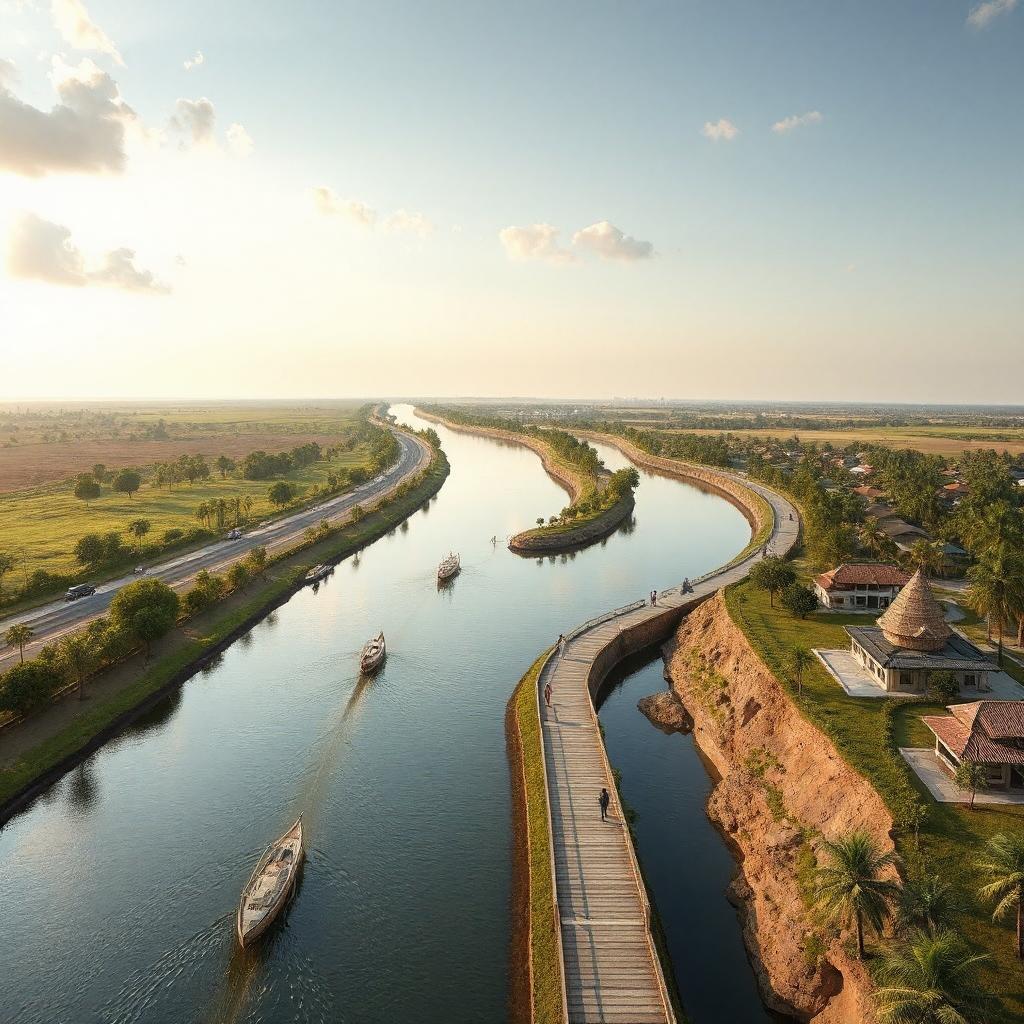
Solar panels will be installed on the rooftops of residential and commercial buildings, as well as along the canal and in public spaces. This will ensure that the majority of the city’s energy needs are met by clean solar energy. Solar energy will power homes, streetlights, and public amenities, significantly reducing reliance on the national grid.
The eco-city will also harness wind energy through strategically placed wind turbines, particularly in areas near the coast where wind speeds are higher. These turbines will generate additional clean energy, complementing the solar power system and ensuring that The Nest has a diversified renewable energy portfolio.
All homes and buildings within The Nest Eco City are designed to be energy efficient, incorporating passive solar design, energy-efficient lighting, and natural ventilation. This reduces energy demand for heating, cooling, and lighting, further lowering the city’s carbon footprint.
The city will be connected to a smart grid that manages energy distribution, monitors consumption, and ensures optimal efficiency. The smart grid also allows residents to monitor their own energy usage through apps, encouraging responsible energy consumption and reducing waste.
To ensure a consistent power supply even on cloudy days or during periods of low wind, the city will have energy storage systems in place. These systems store excess energy generated by solar panels and wind turbines, ensuring that the city remains self-sufficient even when renewable energy production is low.