
At God’s Line: The Nest Eco City, environmental protection is a central pillar of our sustainability efforts. We are committed to minimizing our environmental footprint by incorporating eco-friendly materials and practices in every aspect of our project. From reforestation initiatives to habitat conservation and pollution reduction, we aim to enhance and preserve the natural beauty and biodiversity of Kerala.
We believe that educating residents about environmental responsibility is crucial for long-term sustainability. Through workshops, seminars, and community initiatives, we will encourage eco-friendly practices such as reducing plastic use, conserving water, and increasing awareness of Kerala’s local flora and fauna.
We have integrated biodiversity corridors into the design of the eco-city. These corridors provide a safe passage for local wildlife, linking natural habitats and promoting the movement of species. This helps maintain ecological balance and protects Kerala’s rich biodiversity.
As part of our commitment to offset carbon emissions, we are planting thousands of native trees along the canal and within the eco-city. These green zones serve as natural carbon sinks, improve air quality, and create a healthier living environment for residents.
Our construction practices prioritize the use of sustainable materials like recycled concrete, locally sourced wood, and low-carbon-emission building technologies. All buildings are designed to reduce energy consumption, using passive solar heating, natural ventilation, and energy-efficient lighting.
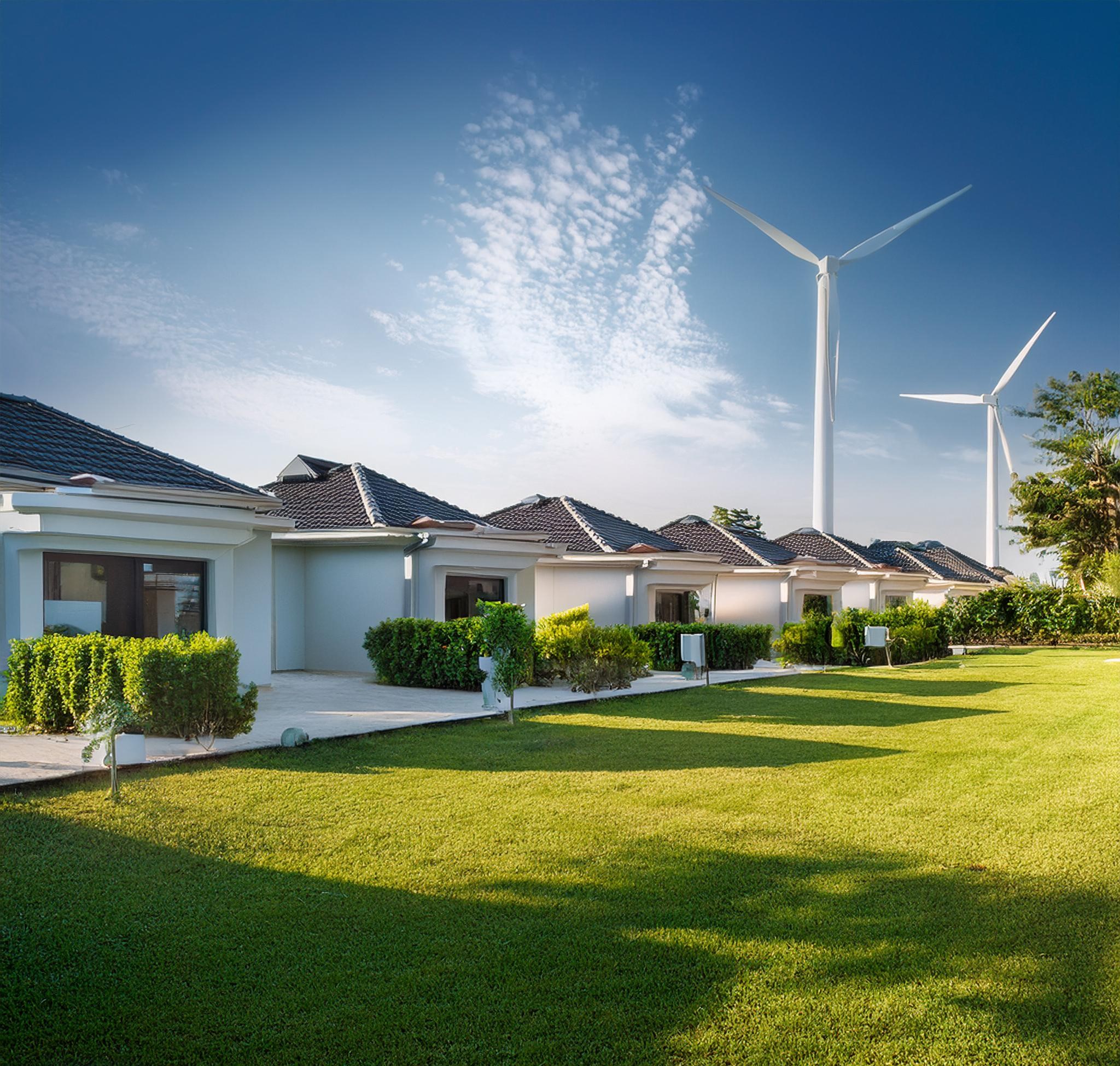
We have implemented a comprehensive waste management system to reduce landfill waste. All residential units and commercial spaces will have access to recycling facilities, composting options, and a centralized waste processing plant that focuses on waste-to-energy conversion.
IoT sensors will be placed throughout the eco-city and canal to continuously monitor air and water quality, ensuring a clean and safe environment for both residents and the local ecosystem. Data from these sensors will be analyzed to identify areas of improvement, such as pollution hotspots or sources of contamination.