God’s Line: The Nest Eco City is built on a robust Public-Private Partnership (PPP) model, which ensures the balanced distribution of risks, responsibilities, and rewards between the public and private sectors. This approach brings together the strengths of government agencies and private investors to deliver a project that is financially sound, socially beneficial, and environmentally sustainable.
By leveraging the expertise and resources of both the public and private sectors, we are able to maximize efficiency, innovation, and long-term success. The PPP model allows us to pool financial resources, share risks, and ensure that the project meets the highest standards of sustainability and resilience.
The project is backed by state and central government agencies, providing regulatory support, infrastructure funding, and long-term policy alignment. Government involvement ensures that the project aligns with Kerala’s urban development goals, environmental regulations, and social welfare programs. Public infrastructure grants and subsidies for sustainable development are used to offset the capital costs of the project.
Private investors bring financial resources, technological innovation, and operational expertise to the project. By partnering with industry leaders, we are able to incorporate the latest advancements in smart city infrastructure, renewable energy systems, and eco-friendly construction practices. Investors benefit from stable, long-term returns through diversified revenue streams including real estate, tourism, and utility services.
The PPP model ensures that financial risks are distributed among multiple stakeholders, reducing the burden on any single party. By sharing both the risks and rewards, the project is financially secure and more resilient to economic fluctuations.
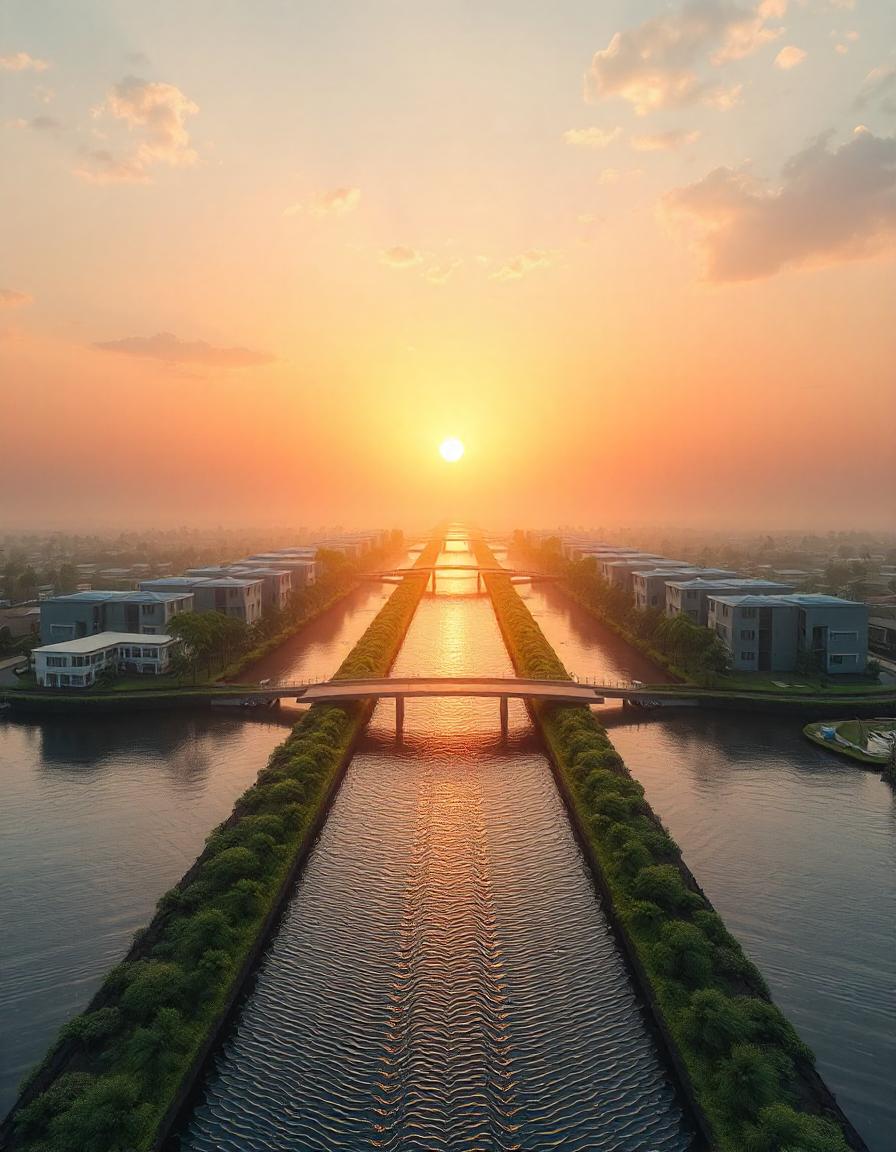
The PPP framework extends beyond the construction phase, ensuring ongoing operational support for maintenance, technology upgrades, and city management. Both public and private partners are involved in the long-term governance of the eco-city, maintaining its sustainability and efficiency.